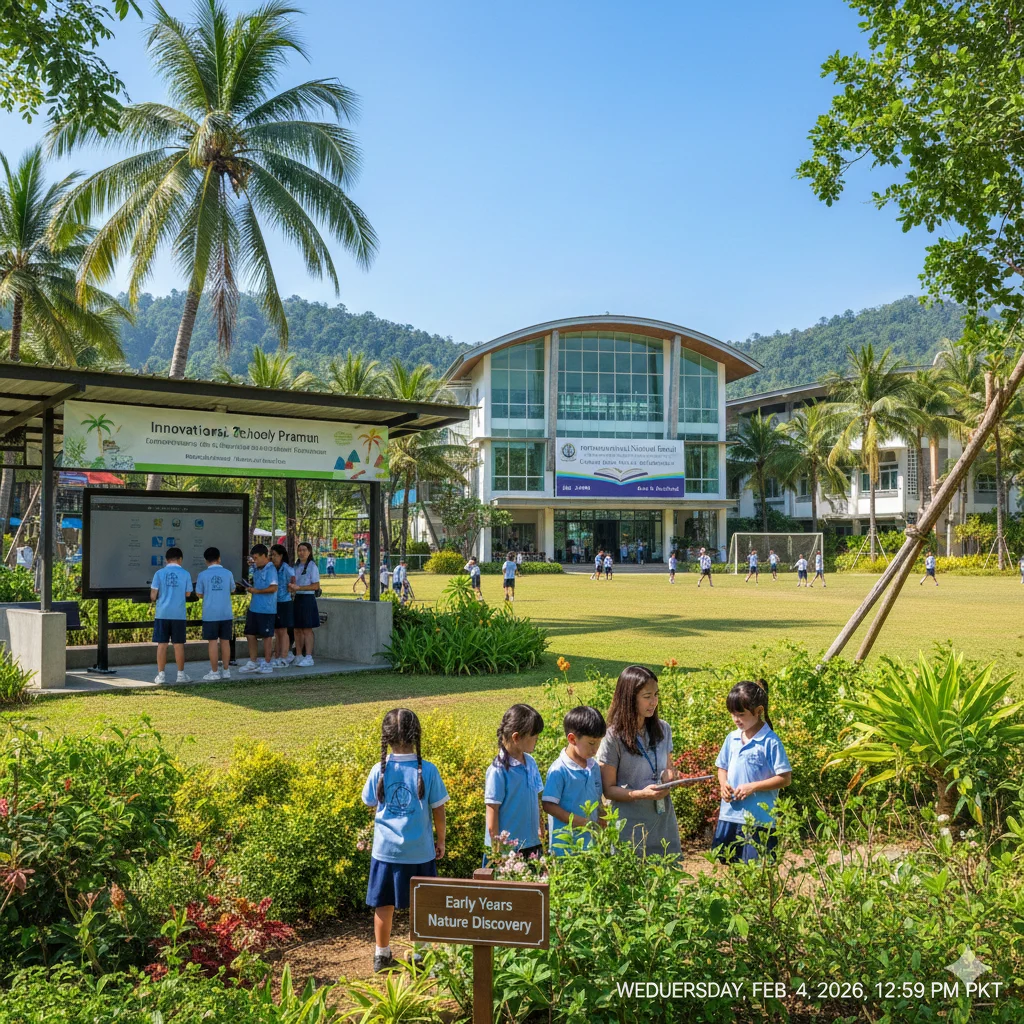
How International School Samui Programs Build Confidence and Independence
In today’s world, sending your child to an international school isn’t just about grades—it’s about growth. But what does that really mean?
On the surface, programs like those at International School Samui (ISS) sound fancy and academic.
In reality, they’re carefully designed environments that help kids become confident, independent, and ready for the world. Let’s break down exactly how these programs do that—and why parents and students are loving them in 2026.
What Does “Confidence and Independence” Mean in This Context?
At ISS, confidence isn’t just “being loud in class.” It’s about trusting your ideas, speaking up respectfully, and taking ownership of your learning.
Independence, meanwhile, goes beyond doing homework alone. It’s about problem-solving, time management, and making choices that affect your life—skills that stick with students long after school ends.
These traits aren’t just theoretical—they show up in social settings, extracurriculars, and even online spaces like student forums, project groups, and peer discussions on apps like Discord or TikTok StudyTok.
The Evolution of Confidence & Independence Programs
International schools like ISS have been refining their programs for decades.
- Early 2000s: Focus on bilingual education and global awareness.
- 2010s: Project-based learning and leadership activities gained traction.
- 2020s: Integration of mental health, self-expression, and digital literacy became core goals.
By 2026, ISS programs have evolved into holistic experiences. Students aren’t just learning math or science—they’re learning how to navigate life confidently, make decisions independently, and thrive in diverse communities.
Polite, Casual & Romantic Examples of Confidence & Independence
Professional / Academic:
- A student confidently presenting a science project to an international panel.
- Leading a team in Model United Nations without adult supervision.
Friend Chat / Casual:
- “I finally finished the group project without anyone reminding me—feels good 😎.”
- “I signed up for the art club all by myself, yay me!”
Romantic / Relationship:
- “He’s so independent—it’s cute how he manages everything himself.”
- “I love that she’s confident enough to speak her mind on our date.”
Tone & Nuances
Confidence and independence can be expressed in multiple ways:
- Playful: “Look at me adulting properly 😏.”
- Supportive: “You got this! I know you can handle it.”
- Teasing: “Trying to do everything on your own again, huh?”
- Romantic: “Your confidence is honestly so attractive ❤️.”
- Sarcastic: “Oh sure, you’re totally independent now, aren’t you?”
Understanding these tones helps students communicate effectively in school, online, and socially.
Why It Became Popular in 2026
Several cultural shifts have made confidence and independence central in education today:
- Global mobility: Families moving internationally need adaptable kids.
- Social media influence: Platforms showcase independent, confident students as role models.
- Mental health awareness: Schools focus on personal growth alongside academics.
- Future-ready skills: Employers increasingly value problem-solving, leadership, and self-reliance.
Alternatives & Similar Programs
Other international schools often use slightly different terms or focuses:
- Self-reliance programs – Emphasizes problem-solving.
- Leadership labs – Hands-on decision-making and teamwork.
- Global citizenship courses – Builds confidence in diverse communities.
- Life skills workshops – Covers budgeting, time management, and social skills.
Conclusion
International School Samui programs are more than academics—they’re confidence and independence factories.
By giving students structured freedom, leadership opportunities, and supportive challenges, ISS helps kids become adaptable, self-assured, and ready for life beyond the classroom.
In 2026, these skills are no longer optional—they’re essential for thriving in a connected, fast-paced world. Whether in the classroom, on social media, or in friendships, students carrying confidence and independence are leading the way.