How Ongoing Sales Training Improves Revenue and Team Performance
In 2026, the business world is buzzing with terms like “upskill,” “growth hacking,” and “continuous learning,” but not everyone knows how these buzzwords translate into actual revenue.
Ongoing sales training sounds like a fancy corporate exercise, but today it’s much more than just workshops or online modules—it’s a strategic tool that can make teams sharper, more confident, and way more profitable.
Think of it like leveling up in a game: every session adds XP that directly impacts results.
What Does Ongoing Sales Training Really Mean?
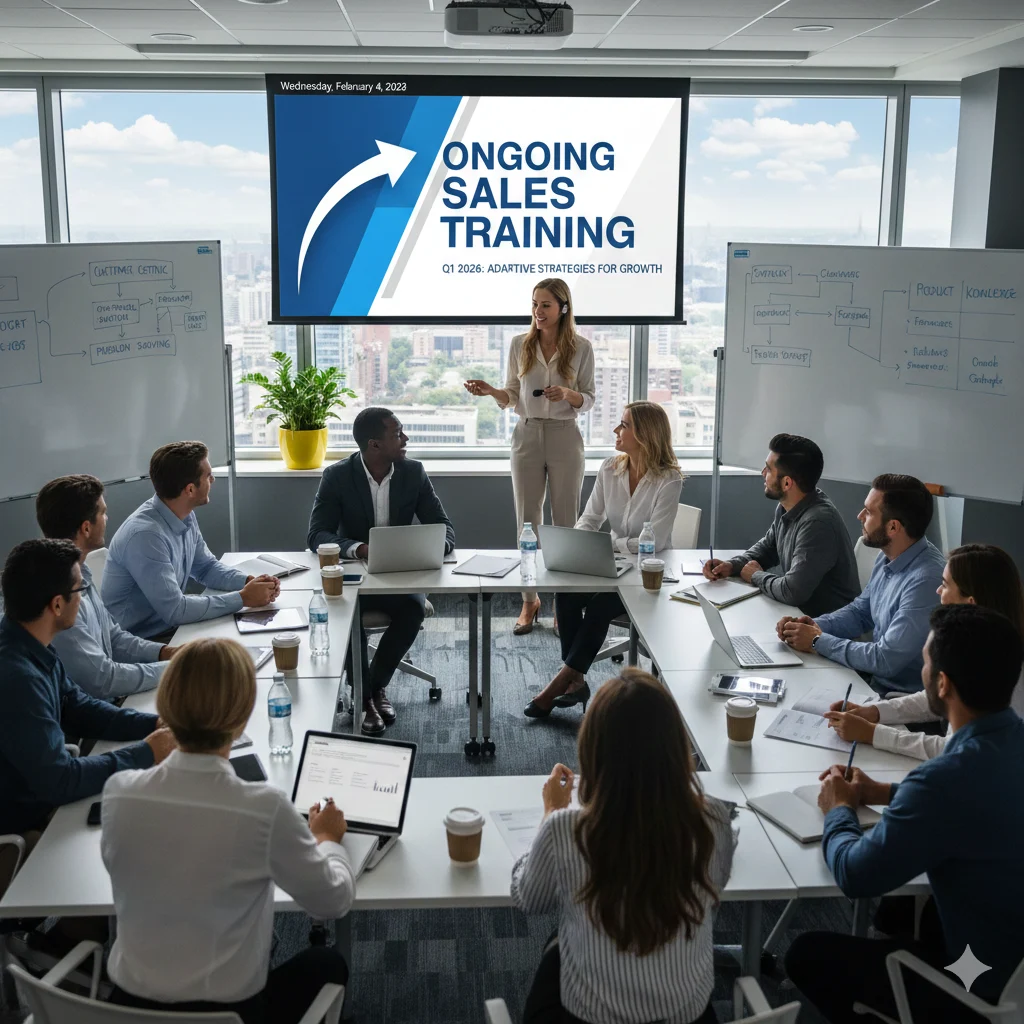
Ongoing sales training isn’t just a one-off seminar. It’s continuous learning for your sales team, combining practice, feedback, and strategy updates.
Emotional or Personality Meaning:
It signals a culture of growth and adaptability. Teams feel empowered, motivated, and recognized for improving their skills regularly.
Where Companies Use It:
- Corporate offices for B2B sales
- Retail chains for frontline staff
- Startups that rely on agile, adaptable salespeople
- Online courses and microlearning platforms
The Evolution of Sales Training
Sales training used to mean reading manuals or sitting through long lectures. Today, it’s interactive, digital, and ongoing.
How it became popular:
- Gamified platforms like MindTickle and Allego made training fun and trackable
- Social media trends highlighted “top sellers” sharing tips and tricks in bite-sized videos
- Remote work accelerated the need for consistent skill updates
Why people relate to it:
Continuous learning mirrors modern career paths—fast, digital, and skill-focused. Employees enjoy visible growth and real rewards.
Polite, Casual & Practical Uses
Professional examples:
- “Our team doubled revenue after three months of ongoing sales training.”
- “Weekly role-play sessions help reps close deals faster.”
Friend chat examples:
- “Been doing some sales drills at work—feels like I’m actually leveling up 😎”
- “My coworker just nailed a pitch thanks to all that training!”
Relationship or mentoring examples:
- “I love how supportive you are in helping me improve—like ongoing sales training for life 😘”
- “You keep giving me feedback, and it actually works!”
Tone & Nuances
- Playful: “Sales training got me closing deals like a pro—level 99 unlocked!”
- Supportive: “Your daily practice really shows, keep going 💪”
- Teasing: “Wow, all that training didn’t stop you from overthinking that pitch 😂”
- Romantic: “Helping you improve makes me fall for you more—call it love training ❤️”
- Sarcastic: “Oh great, another ‘mandatory’ session… can’t wait 🙄”
Why It Became Popular in 2026
Cultural reasons:
- Workplaces now emphasize mental agility over tenure
- The gig economy rewards measurable, repeatable skills
Social media trends:
- TikTok “sales hacks” and LinkedIn “Top Seller Tips” became viral content
- Microlearning apps gamify training with badges, streaks, and competitions
Alternatives & Similar Concepts
- Skill refreshers – Short, targeted sessions for specific techniques
- Role-playing drills – Practicing real-life scenarios
- Peer coaching – Learning from colleagues’ experiences
- Microlearning modules – 5–10 minute digital lessons
- Gamified challenges – Leaderboards and rewards for motivation
Conclusion
Ongoing sales training in 2026 isn’t just a corporate checkbox—it’s a culture, a strategy, and a mindset. By continuously learning, teams boost performance, close more deals, and feel more confident on calls.
From gamified apps to peer coaching, the ways to train are diverse, flexible, and highly effective.
Companies that invest in ongoing training don’t just grow revenue—they create happier, sharper, and more resilient teams ready for the fast-moving modern marketplace.