Opp Meaning Slang Texting and Social Media (2026)
Slang constantly evolves, and in 2026, “Opp” has become a term you’ll hear online, in texts, and even in music. At first glance, it might seem confusing, but its meaning is clear once you understand the context.
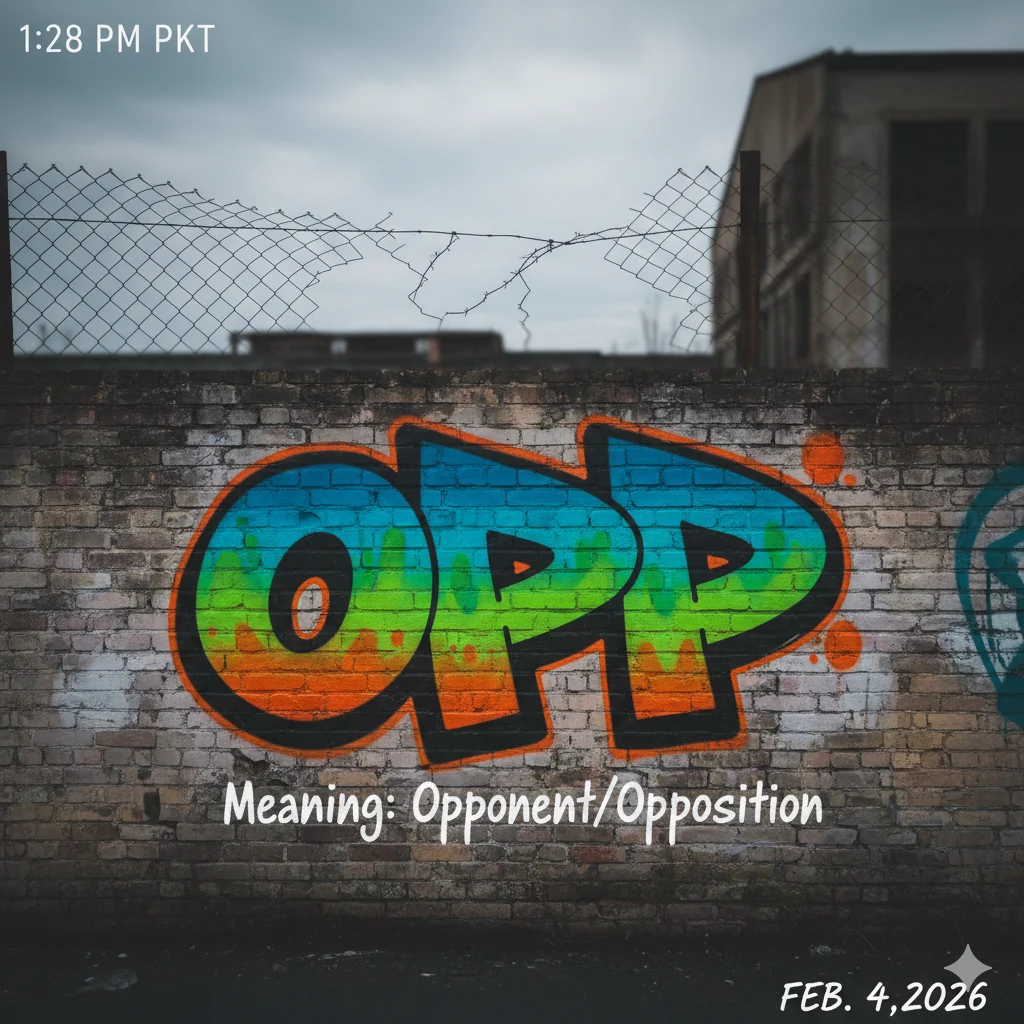
Originally rooted in street culture, “Opp” typically refers to an opponent, rival, or someone who might oppose you.
In modern usage, it can also appear jokingly among friends or in memes. Understanding “Opp” is essential if you want to keep up with Gen Z language trends, social media conversations, and pop culture references in 2026.
What Does “Opp” Mean in Slang?
✅ Clear Definition
In slang, “opp” is short for opposition or opponent. It refers to someone who is against you, not on your side, or moving in an opposing lane — socially, emotionally, or competitively.
🧠 Emotional / Personality Meaning
Calling someone an opp usually means:
- They don’t support you
- They move differently than you
- There’s tension, rivalry, or distrust
- They might secretly want you to lose
Sometimes it’s serious. Other times it’s joking or exaggerated.
📍 Where People Use It
You’ll see opp everywhere in 2026:
- TikTok captions & comments
- Instagram stories
- Group chats
- Gaming communities
- Rap lyrics & memes
- Dating apps (yes, even there 😅)
The Evolution of “Opp” in Slang
Originally, opp came from street and hip-hop culture, where it meant a real enemy. Over time, the internet softened and expanded the meaning.
Now, it can mean:
- A hater
- A fake friend
- A rival
- Someone with opposite vibes
- Even a playful “enemy”
Why People Relate to It
Because everyone has:
- Someone who doubts them
- Someone moving weird
- Someone not clapping when they win
“Opp” became a one-word way to say all that.
Polite, Casual & Romantic Uses of “Opp”
Yes — the word has range.
💼 Professional / Polite (Indirect Use)
You wouldn’t say it directly at work, but people think it.
- “Not everyone in the room wants you to win.”
- “Move smart — not all smiles are friendly.”
💬 Friend Chat Examples
- “That dude switched up. He’s an opp now.”
- “Lowkey opp behavior but I’m ignoring it.”
❤️ Relationship / Romantic Context
- “Why you acting like my opp today?”
- “We’re supposed to be a team, not opps.”
Here it’s often teasing or emotional, not hostile.
Tone & Nuances of “Opp”
The meaning changes with tone 👇
😄 Playful
- “My alarm clock is my biggest opp.”
🤝 Supportive
- “Cut off the opps. Protect your peace.”
😏 Teasing
- “You didn’t like my pic? Opp activity.”
💘 Romantic
- “Stop acting like my opp and come here.”
🙃 Sarcastic
- “Oh now you care? Okay, opp.”
Why “Opp” Became Popular in 2026
🌍 Cultural Reasons
- Hustle culture
- Main-character energy
- Setting boundaries
- Calling out fake support
📱 Social Media Trends
- Short, punchy slang wins
- Meme culture loves exaggeration
- TikTok captions reward edgy words
“Opp” fits perfectly: short, emotional, and viral.
Alternatives & Similar Slang (By Setting)
Casual / Friendly
- Hater
- Fake
- Weird energy
Internet / Meme
- NPC
- Side character
- Ops (plural)
Romantic / Emotional
- Acting distant
- Not on my team
Professional / Polite
- Opposition
- Conflict of interest
- Misaligned priorities
Conclusion:
In 2026, “opp” is more than slang — it’s a cultural shortcut. It captures rivalry, distrust, fake support, and emotional distance in just three letters. While it started as a serious term, today it’s flexible, playful, and deeply tied to internet culture.
Whether you’re using it in memes, chats, captions, or conversations, context and tone matter. Used right, opp helps you call out energy without saying too much.