Water Structuring Devices: Where Science Meets Sustainability
Water is life, but not all water is created equal. You may have heard about water structuring devices online or in eco-conscious circles, and it can sound a little “sciencey” or even futuristic.
But what exactly are these devices, and why are they gaining attention in 2026? In simple terms, they’re tools designed to optimize the natural structure of water, improving its quality and making it more aligned with how nature intended.
Beyond just hydration, they’re becoming a sustainable solution for households, offices, and even agriculture. Let’s dive into what these devices do and why they matter today.
What Are Water Structuring Devices?
At the most basic level, a water structuring device is a tool—sometimes a filter, a vortex system, or a specially designed container—that reorganizes water molecules. While water is H₂O, research suggests that its molecular arrangement can impact taste, absorption, and even how it interacts with the environment. These devices aim to:
- Restore water’s natural balance
- Improve taste and energy
- Reduce environmental impact compared to single-use bottles
People who use these devices often describe water as feeling “smoother” or “lighter” on the palate. For sustainability enthusiasts, they’re a way to reduce waste while staying hydrated efficiently.
How Water Structuring Devices Work
There are several methods these devices use to structure water:
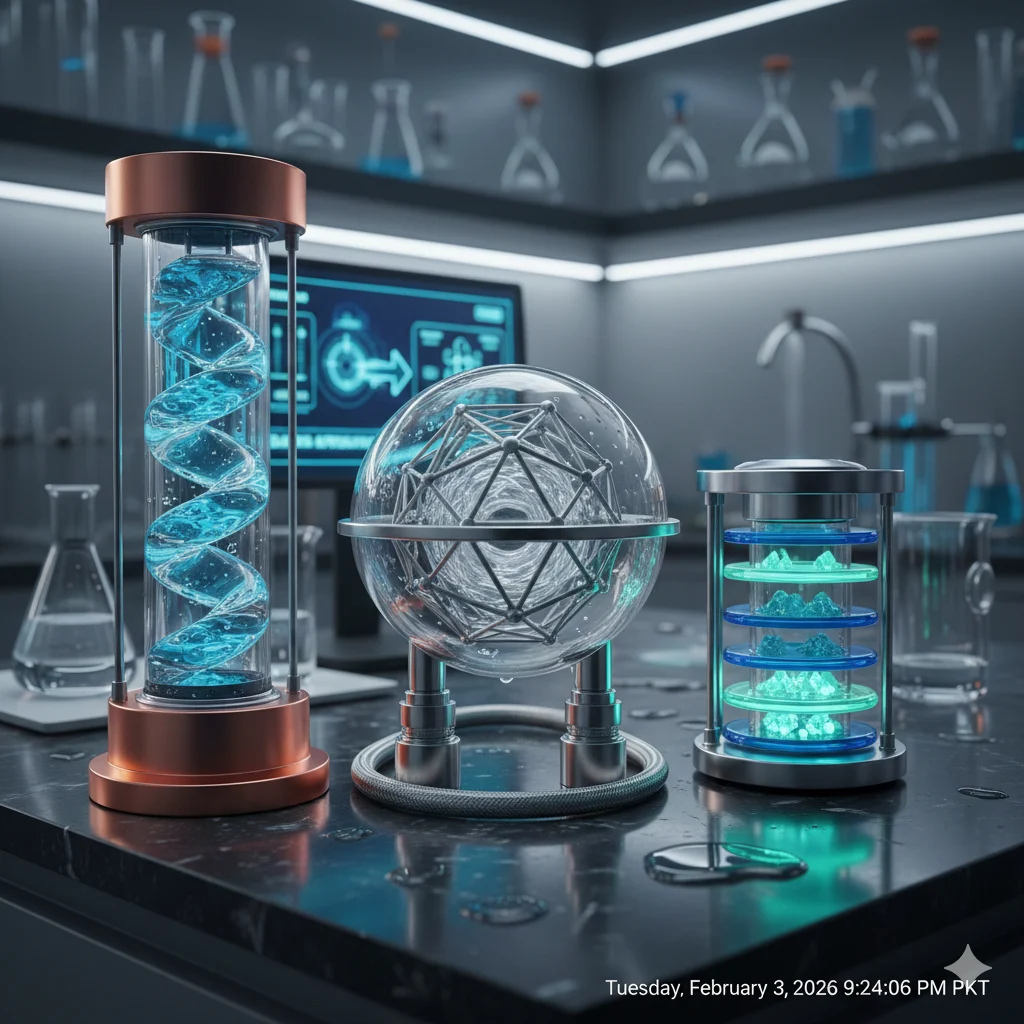
- Vortex Technology – Spins water at high speed to mimic natural flows found in rivers and streams.
- Mineral Infusion – Adds trace minerals to support natural water structure.
- Magnetic & Crystalline Fields – Alters the orientation of water molecules to restore “natural harmony.”
- Glass or Ceramic Containers – Sometimes just the container itself helps water maintain a beneficial structure.
While research is ongoing, anecdotal evidence shows that structured water may be easier to drink, taste better, and support sustainable water use.
Why They Matter for Sustainability
One of the most compelling reasons water structuring devices are gaining traction in 2026 is their environmental impact:
- Reduces plastic waste by cutting down bottled water use.
- Enhances home water efficiency for drinking, cooking, and gardening.
- Supports regenerative agriculture by improving water quality for crops.
By focusing on water quality and structure, these devices bridge the gap between science and eco-conscious living.
Everyday Uses of Structured Water
Structured water isn’t just for tech enthusiasts—it’s finding its way into daily life in simple ways:
- At home: Drinking water, coffee, tea, and smoothies taste smoother.
- In the kitchen: Cooking with structured water can improve flavors and textures.
- Gardening: Plants may thrive better with water that mimics natural streams.
- Health & Wellness: Some people use it for skin care, hydration, or even meditation rituals.
Popular Water Structuring Devices in 2026
Some devices have gone viral this year on eco-friendly blogs and TikTok:
- VitaFlow Vortex – Spins water naturally for smoother taste.
- AquaGem Crystalline Bottle – Uses crystals to structure water.
- EcoH2O Ceramic Pitchers – Simple, reusable, and sustainable.
- MagnaHydrate System – Uses magnetic fields for molecular alignment.
These products are catching attention not just for science enthusiasts but also for home-conscious millennials and Gen Z sustainability advocates.
Alternatives & Similar Eco-Friendly Approaches
Not everyone wants a device, and that’s okay! Other ways to “structure” or optimize water naturally include:
- Using spring water or naturally flowing streams
- Glass or ceramic storage instead of plastic
- Adding trace minerals manually or through supplements
- Vortex bottle DIYs – simple at-home swirling techniques
Each option can support better hydration and eco-conscious habits without complex devices.
Conclusion
Water structuring devices may sound futuristic, but they’re becoming a mainstream tool for health, taste, and sustainability in 2026.
By mimicking natural processes, enhancing water quality, and reducing environmental impact, these devices offer a practical way to merge science with eco-friendly living.
Whether you’re a home cook, a wellness enthusiast, or just someone who wants better-tasting water, exploring water structuring devices is a simple step toward a more sustainable, hydrated lifestyle.